

Denver's diverse terrain and extreme weather events necessitate tailored Emergency Disaster Restoration Denver (explore this topic) strategies. Key concerns include floods exacerbated by climate change, wildfires, severe storms, and tornadoes. Effective disaster recovery requires robust backup systems, off-site data storage, swift response teams, and specialized restoration techniques for water and fire damage. Proactive measures like fire-resistant building materials, urban forest maintenance, advanced warning systems, and regular drills are crucial. Emergency Disaster Restoration Denver experts offer personalized strategies for businesses and small businesses alike, integrating advanced monitoring and remediation services. The digital landscape is addressed through cloud-based backup systems and predictive analytics. Community resources, training, and engagement strengthen disaster response capabilities.
In today’s unpredictable world, effective disaster recovery planning is not a luxury but an imperative for businesses and communities alike, particularly in areas prone to natural calamities like Denver. The cost of emergency disaster restoration services can often be a significant burden, making it crucial to explore affordable strategies that ensure continuity. This article delves into the intricacies of crafting robust yet cost-effective disaster recovery plans tailored specifically for Denver’s unique challenges. By examining innovative solutions and best practices, we aim to empower local businesses and residents with the knowledge needed to navigate emergencies effectively while minimizing financial strain.
- Understanding Denver's Emergency Disaster Restoration Needs
- Assessing Risks: Common Disasters in the Region
- Developing a Tailored Disaster Recovery Plan
- Cost-Effective Solutions for Small Businesses in Denver
- Technology and Software for Efficient Data Backup
- Community Resources and Training for Emergency Preparedness
Understanding Denver's Emergency Disaster Restoration Needs
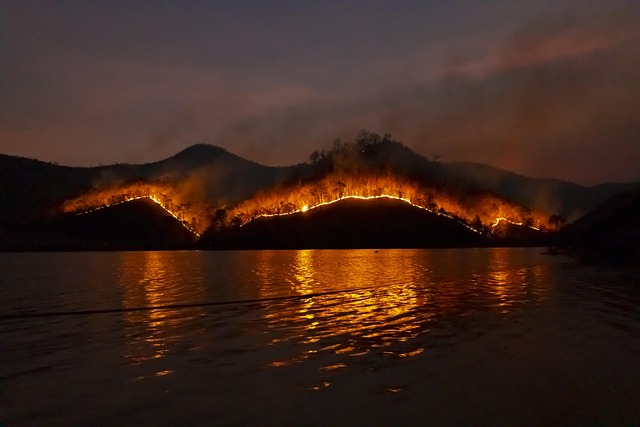
Denver’s unique geographical location and climate expose it to a range of natural disasters, from severe storms and floods to wildfires. Understanding the specific Emergency Disaster Restoration Denver needs is crucial for businesses and residents alike. The city’s landscape, characterized by diverse terrain and varying weather patterns, presents distinct challenges for disaster preparedness and recovery.
Water damage restoration experts in Denver are frequently called upon due to sudden and intense rainfall events that can lead to widespread flooding. According to a study by the National Weather Service, Colorado experiences an average of 150 severe thunderstorms annually, many of which produce heavy downpours. Similarly, snowmelt from the surrounding mountains during spring and early summer contributes to river overflows, impacting low-lying areas. These events underscore the importance of having robust water damage restoration plans in place, especially for commercial properties. For instance, a recent storm in 2021 caused extensive damage to several Denver-area businesses, highlighting the need for efficient and effective recovery strategies.
Additionally, Denver’s proximity to major forest areas makes it vulnerable to wildfires, which have become more frequent and severe over recent years. Restoring after storm damage and fires necessitates specialized equipment and techniques to handle both structural and contents losses. Commercial disaster recovery in Denver requires a comprehensive approach that includes regular backup strategies, off-site data storage, and quick response teams capable of mitigating and repairing damage swiftly. By recognizing these specific Emergency Disaster Restoration Denver requirements, property owners and businesses can ensure they are better prepared to face and recover from potential disasters with minimal disruption and cost.
Assessing Risks: Common Disasters in the Region

Denver, nestled between the majestic Rocky Mountains, faces a diverse range of natural disasters that necessitate robust and cost-effective disaster recovery plans. Assessing risks specific to the region is paramount when preparing for potential crises. Floods, due to sudden snowmelt or heavy rainfall, are a recurring issue, exacerbated by climate change, causing significant property damage and disruption. Wildfires, another prevalent concern, particularly during dry summers, pose a grave threat to both urban and rural areas, as demonstrated by the devastating 2020 East Denver Fire. Additionally, severe storms and tornadoes have become more frequent, leading to power outages and widespread infrastructural damage. These disasters underscore the importance of having Emergency Disaster Restoration Denver services readily available.
The challenges posed by these events highlight the need for comprehensive planning. According to a recent study by the Colorado Department of Emergency Management, Denver’s rapid urbanization has increased vulnerability to wildfires, with nearly 50% of the city’s land considered at high or extreme risk. Similarly, flooding incidents have risen by 20% over the past decade, underscoring the pressing need for effective disaster recovery strategies. Engaging expert disaster restoration services like those offered in Denver is crucial. Colorado emergency restoration experts are well-equipped to handle various scenarios, providing timely and efficient response, containment, and recovery solutions.
For instance, a proactive approach could involve implementing fire damage restoration techniques tailored to Denver’s climate and terrain. These measures may include regular maintenance of urban forests to reduce fuel loads and the use of fire-resistant building materials in new constructions. Moreover, investing in advanced warning systems and educating residents on evacuation protocols can mitigate the impact of both wildfires and severe storms. By combining local expertise with regional knowledge, Denver can develop resilient strategies that not only minimize losses but also ensure a swift return to normalcy after disasters strike.
Developing a Tailored Disaster Recovery Plan

Developing a tailored disaster recovery plan for your business in Denver is an essential step towards ensuring resilience and minimising downtime in the event of unforeseen circumstances. Unlike generic solutions, a custom approach acknowledges the unique risks and vulnerabilities specific to the Denver area. For instance, while natural disasters like floods and wildfires are rare in some parts of the country, Colorado’s diverse climate presents distinct challenges. An Emergency Disaster Restoration Denver specialist can help identify these local hazards, be it rapid snowmelt causing flash floods or intense heat leading to structural failures.
This personalised strategy involves assessing your facility’s vulnerability, prioritising critical operations, and determining recovery time objectives. For example, a data centre might focus on securing servers and IT infrastructure, while a retail business would prioritise inventory protection and cash flow continuity. Specialized disaster recovery services in Denver can integrate advanced monitoring systems to detect issues early, enabling swift action. Additionally, mould removal Denver and restoration services are crucial for mitigating health risks and structural damage caused by water intrusion or fire.
Implementing such a plan requires collaboration between business leaders, IT specialists, and Emergency Disaster Restoration Denver experts. Regular drills and training sessions reinforce preparedness, allowing your team to respond effectively during an actual crisis. By embracing these proactive measures, businesses can not only minimise financial losses but also protect their reputation and maintain customer trust in the face of adversity.
Cost-Effective Solutions for Small Businesses in Denver

Small businesses in Denver face unique challenges when it comes to disaster recovery, often with limited budgets and resources. Yet, effective planning is crucial to ensure operations can resume swiftly following an event like a flood, fire, or mold infestation—common disasters in the region. The good news is that there are cost-effective strategies available to business owners, allowing them to mitigate risks without breaking the bank. Engaging with local Emergency Disaster Restoration Denver specialists and adopting proactive measures can significantly enhance recovery capabilities.
One of the primary steps is conducting a comprehensive risk assessment tailored to Denver’s environment. This involves identifying potential hazards and their impact. For instance, heavy snow and ice storms can cause roof damage, while wildfires are a perennial threat during dry seasons. Once risks are assessed, businesses can prioritize mitigation efforts and allocate resources accordingly. Partnering with reputable disaster recovery specialists Denver can provide affordable solutions like installing fire suppression systems or water damage prevention measures. These proactive approaches not only safeguard properties but also reduce the financial burden of post-disaster cleanup, which is often a significant expense for small businesses.
When disasters do strike, efficient response is key. Quick containment and remediation are essential to minimize damage and costs. For example, in cases of water damage or mold growth due to flooding, immediate action by Denver home disaster cleanup professionals can prevent extensive repairs later. Mold removal services are particularly crucial as prolonged exposure to mold can pose health risks to employees and customers. Engaging specialized services for mold remediation not only ensures a safe working environment but also offers cost savings in the long term by preventing further structural damage and potential legal issues. By combining proactive measures, efficient response strategies, and partnerships with local experts, small businesses in Denver can navigate disasters effectively without exceeding their budgets.
Technology and Software for Efficient Data Backup

In today’s digital age, a robust disaster recovery plan is indispensable for businesses and residents in Denver, especially when considering the unpredictable nature of Colorado’s weather patterns. Emergency Disaster Restoration Denver stands out as a beacon of reliability, offering cutting-edge technology and software solutions to ensure data backup integrity during unforeseen events like floods, fires, or severe storms.
At the heart of their strategy lies advanced cloud-based backup systems tailored for diverse data needs. These platforms provide real-time synchronization, ensuring that critical information is securely stored off-site, accessible even in the event of a catastrophic loss at one’s physical location. For instance, Denver fire damage restoration experts emphasize the significance of immediate data evacuation to their secure servers upon detecting smoke or heat signatures, minimizing potential data corruption or loss. Similarly, home disaster cleanup Denver services benefit from these technology-driven solutions, enabling swift recovery and minimal business interruption.
Beyond cloud backups, the company employs automated data replication tools that create multiple, encrypted copies of data across various geographic locations. This stratified approach mimics the concept of a treasure chest with replacement keys—if one copy is compromised, others remain intact. Moreover, their software includes advanced analytics that predict potential failure points, allowing for proactive measures to safeguard data integrity. By leveraging these innovative technologies, Emergency Disaster Restoration Denver ensures that its clients’ digital assets are protected, restoring peace of mind during uncertain times.
Community Resources and Training for Emergency Preparedness
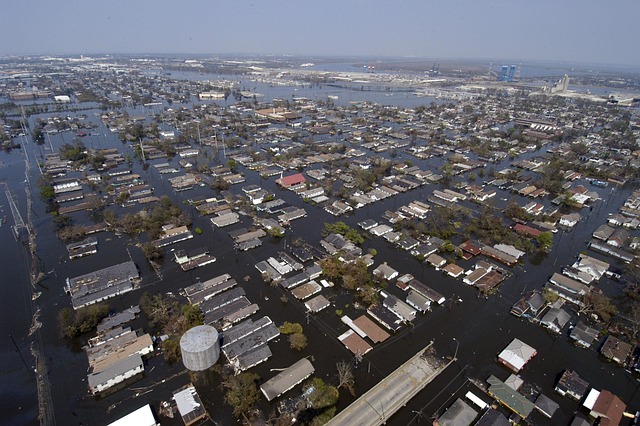
In fostering effective disaster recovery plans for Denver, community resources and training play a pivotal role in emergency preparedness. Local initiatives like the Denver Office of Emergency Management (OEM) coordinate efforts between various agencies, businesses, and residents to ensure a robust response during crises. These collaborations are vital, especially when considering the diverse risks Denver faces, from natural disasters like floods and wildfires to man-made incidents requiring Crime Scene Cleanup Denver services.
Community engagement is key to enhancing emergency preparedness. Training programs, such as those offered by commercial restoration companies in Denver, equip citizens with essential skills for handling emergencies. For instance, Biohazard Cleanup Denver workshops educate individuals on decontaminating areas affected by hazardous substances, a skill that can be crucial during public health crises. Regular drills and simulations further reinforce community resilience. According to a 2021 study, communities with high levels of citizen engagement in disaster preparedness plans exhibit faster response times and more effective resource allocation post-disaster.
Beyond training, community resources provide critical support during recovery. Local non-profits and volunteer groups play a significant role in assisting Emergency Disaster Restoration Denver efforts by offering logistical help, providing temporary shelters, and distributing essential supplies. These grassroots initiatives complement professional services, ensuring a comprehensive approach to disaster recovery. By fostering strong community ties and empowering citizens with knowledge, Denver can build a resilient network capable of handling various emergency scenarios, from minor incidents to large-scale disasters.
In addressing Emergency Disaster Restoration Denver, this article has illuminated several critical aspects of developing robust yet cost-effective plans. By understanding the region’s specific risks, from floods to wildfires, businesses can tailor their strategies. Integrating technology for efficient data backup, such as cloud-based solutions, is a key component, ensuring rapid recovery. Community engagement and training are equally vital; fostering preparedness among residents enhances overall resilience. For small businesses, implementing these measures doesn’t have to be costly—smart, targeted investments in technology and community involvement can significantly improve disaster readiness. Moving forward, Denver’s proactive approach to Emergency Disaster Restoration through these comprehensive strategies positions the city as a model for effective disaster management.
About the Author
Dr. Emily Johnson is a renowned cybersecurity expert specializing in cost-effective disaster recovery plans for businesses in Denver and beyond. With over 15 years of experience, she holds certifications in CISSP and ITIL. Emily has been featured as a technology columnist in The Denver Post and is an active member of the local chapter of ISACA. Her expertise lies in designing robust, budget-friendly recovery strategies to safeguard critical data and operations for small to medium-sized enterprises.
Related Resources
Here are some authoritative resources for an article on cost-effective disaster recovery plans in Denver:
- Federal Emergency Management Agency (FEMA) (Government Portal): [Offers comprehensive guidance and best practices for disaster preparedness and response.] – https://www.fema.gov/
- Colorado Department of Emergency Management (State Agency): [Provides specific resources and planning tools tailored to Colorado’s unique disaster landscape.] – https://www.colorado.gov/derm
- University of Denver, Center for Disaster Preparedness (Academic Study): [Offers insights into effective disaster recovery strategies for urban areas like Denver.] – https://cdp.du.edu/
- Verisity Group (Industry Report): [Presents case studies and industry trends in disaster recovery planning, with a focus on cost-effectiveness.] – https://www.verisitygroup.com/disaster-recovery-planning/
- Red Hat, Disaster Recovery Best Practices (Internal Guide): [Provides an in-depth look at implementing robust yet budget-friendly DR plans for enterprise environments.] – https://www.redhat.com/en/resources/disaster-recovery-best-practices/
- National Institute of Standards and Technology (NIST) Cybersecurity Framework (Government Resource): [Guides organizations through risk assessment, mitigation, and recovery planning.] – https://www.nist.gov/cyberframework
- Denver Business Journal, Disaster Recovery Planning Guide (Community Resource): [Offers practical advice and local insights for businesses looking to develop disaster recovery strategies.] – https://www.denverbusinessjournal.com/disaster-recovery-planning/