
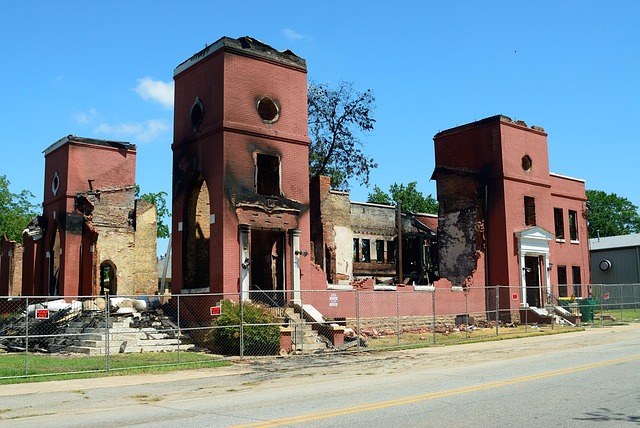
Denver’s diverse landscape poses varied disaster risks, from natural calamities like storms, flooding, and wildfires to man-made incidents such as crime scene cleanups and industrial accidents. Increasing disaster declarations in Colorado underscore the need for robust Emergency Disaster Restoration Denver strategies. An effective plan should cater to neighborhood needs, especially in high-risk areas, ensuring swift and efficient services. Regular data backups, off-site storage, and specialized equipment are key components of business disaster recovery plans, minimizing downtime and protecting investments. Continuous improvement through training and innovation allows Emergency Disaster Restoration Denver providers to adapt to evolving trends, such as severe weather events, enhancing their response capabilities.
In the dynamic landscape of risk management, effective disaster recovery plans are not just an option—they’re a necessity for any thriving business or community. Denver, with its vibrant economy and diverse environment, faces unique challenges in preparing for and recovering from natural disasters. As we’ve witnessed, unexpected events can disrupt operations, devastate properties, and pose significant threats to Emergency Disaster Restoration Denver residents and businesses alike. This article delves into the critical aspect of cost-effective disaster recovery planning, exploring strategies tailored to Denver’s specific needs, ensuring resilience and minimal financial impact in the face of adversity.
- Assessing Denver’s Disaster Recovery Needs
- Crafting an Affordable Emergency Plan
- Implementing Restoration Strategies Post-Disaster
- Continuous Improvement for Effective Recovery
Assessing Denver’s Disaster Recovery Needs

Denver, like many vibrant cities, faces a unique set of challenges when it comes to disaster recovery. Assessing these needs is a critical step in developing an effective emergency disaster restoration Denver plan. The city’s diverse landscape, from bustling urban centers to residential areas nestled in the mountains, presents varied risks, including natural disasters such as severe storms, flooding, and wildfires, as well as man-made incidents like crime scene cleanup Denver scenarios and industrial accidents.
Understanding these potential disruptions is crucial for businesses and residents alike. For instance, data from the Federal Emergency Management Agency (FEMA) indicates that Colorado has experienced a significant increase in disaster declarations over the past decade, underscoring the growing importance of robust disaster recovery strategies. When crafting a plan, it’s essential to consider the specific needs of different neighborhoods and communities within Denver. This might involve tailored approaches for high-risk areas prone to flooding or wildfires, ensuring that Emergency Disaster Restoration Denver services are readily accessible and efficient.
Furthermore, the city’s history with crime scene cleanup Denver events necessitates specialized resources for safe and effective decontamination. Professional disaster recovery teams in Denver should be prepared to handle not only physical damage but also the psychological impact of such events. By evaluating these multifaceted considerations, Denver can create a comprehensive plan that enhances resilience and ensures swift restoration following any unforeseen calamity, whether it’s disaster recovery and restoration Denver or home disaster cleanup.
Crafting an Affordable Emergency Plan

Crafting a robust yet cost-effective disaster recovery plan is paramount for any Denver business or resident facing the unpredictable nature of extreme weather events and other potential disasters. While the financial investment in emergency preparedness can seem daunting, especially for smaller entities, it’s crucial to remember that proactive measures can save significant resources in the long run. A well-designed plan can help streamline recovery efforts, minimize downtime, and mitigate the economic impact of unforeseen crises, such as floods, wildfires, or severe storms, which have become increasingly frequent and intense in Colorado.
One key aspect often overlooked is the importance of affordable emergency plans tailored to each unique situation. Many businesses, for instance, might be deterred from implementing robust disaster recovery strategies due to perceived costs. However, with careful consideration and creative solutions, it’s entirely possible to create a comprehensive plan without breaking the bank. For example, a strategic approach to data backup and off-site storage can be achieved through cloud-based solutions, which offer scalable and often cost-efficient alternatives to traditional physical servers. Additionally, training employees in basic disaster response and recovery techniques not only empowers them but also reduces the reliance on specialized external help during an emergency.
In Colorado, where natural disasters can strike suddenly, having a plan in place is essential for swift and effective recovery. Emergency Disaster Restoration Denver stands out as a trusted partner for many residents and businesses due to its expertise in disaster restoration services, including mold removal Denver and water damage repairs. Their team of professionals understands the unique challenges posed by Colorado’s climate and geographical features and offers tailored solutions that prioritize affordability without compromising quality. By leveraging local resources and adopting efficient practices, businesses can develop robust yet cost-effective plans, ensuring they are prepared to face any disaster head-on while protecting their investments and maintaining continuity.
Implementing Restoration Strategies Post-Disaster

After a disaster strikes Denver, effective restoration strategies become paramount for businesses and homeowners alike to ensure a swift return to normalcy. Emergency Disaster Restoration Denver specialists emphasize that immediate action is crucial in mitigating secondary damages and preserving valuable assets. Post-disaster recovery involves a multi-faceted approach, particularly when addressing the complexities of water damage restoration Denver Co residents often face. According to industry experts, timely intervention within the first 24–48 hours can significantly limit structural deterioration and mold growth, two common issues arising from flooded homes and businesses.
One of the primary steps in any disaster recovery plan is crime scene cleanup Denver professionals provide. This critical phase involves removing contaminated materials, including hazardous debris, to ensure a safe environment for restoration work. Water damage restoration Denver Co services are then implemented, focusing on extracting excess water, drying affected areas, and implementing advanced moisture control measures. For instance, specialized equipment like dehumidifiers and air movers can reduce humidity levels, preventing the growth of mold and mildew, which can lead to severe health issues and costly repairs.
Additionally, businesses should incorporate comprehensive disaster recovery plans that include regular backups of digital data, off-site storage, and a network of reliable service providers for emergency disaster restoration Denver. By prioritizing these strategies, individuals and organizations can enhance their resilience, minimize downtime, and protect their investments in the event of unforeseen disasters. Regular training and testing of these protocols are essential to ensure preparedness and swift execution during critical situations.
Continuous Improvement for Effective Recovery

Disaster recovery plans are not static; they must evolve to remain effective. In the dynamic landscape of Emergency Disaster Restoration Denver, continuous improvement is paramount. Regularly reviewing and updating strategies ensures that a Denver water damage restoration company can swiftly and efficiently respond to various calamities, from flooded basements to broader-scale natural disasters. For instance, data from recent years indicates that severe weather events in Colorado have increased, leading to more frequent floods and storms. Thus, a robust recovery plan should incorporate these trends.
One practical approach is to integrate lessons learned from past incidents, such as the impact of recurrent flooding in certain Denver neighborhoods. A top-tier Emergency Disaster Restoration Denver service provider will analyze these patterns and adapt its tactics accordingly. For example, they might invest in specialized equipment for rapid water extraction, employ advanced drying techniques, and develop partnerships with local suppliers to ensure a steady supply of rebuilding materials. By doing so, the company can significantly enhance its recovery capabilities and minimize damage in affected areas.
Additionally, maintaining an up-to-date inventory of resources and staff skills is vital. This involves regular training sessions for employees, keeping them adept at handling various disaster scenarios, from water damage restoration to structural repairs. Continuous improvement also encourages innovation, such as adopting cutting-edge technology for better predictive analysis and early warning systems. By embracing these strategies, Emergency Disaster Restoration Denver companies can ensure they remain prepared to offer swift and effective services when it matters most.
In crafting effective cost-effective disaster recovery plans for Denver, understanding the unique needs of the city and its infrastructure is paramount. This article has guided readers through a comprehensive approach, from assessing local vulnerabilities to implementing robust restoration strategies post-disaster. Key insights include prioritizing affordable emergency planning, leveraging technology for efficient response, and fostering continuous improvement within recovery processes. Emergency Disaster Restoration Denver can serve as a model for communities worldwide, demonstrating that thorough preparation, strategic implementation, and ongoing refinement are essential to minimizing the devastating impact of natural disasters. By adopting these practices, Denver and similar metropolitan areas can build resilience, ensuring faster recovery times and protecting their vibrant tapestry of people and resources.
Related Resources
Here are some authoritative resources for an article on cost-effective disaster recovery plans in Denver:
- Federal Emergency Management Agency (FEMA) (Government Portal): [Offers comprehensive guidance and resources for developing emergency preparedness and response plans.] – https://www.fema.gov/
- Colorado Department of Emergency Management (Government Agency): [Provides state-specific disaster preparation and recovery strategies for Colorado residents and businesses.] – https://www.colorado.gov/dem
- University of Denver, Sturm College of Law (Academic Study): [“Disaster Recovery Planning: A Cost-Benefit Analysis” offers a legal and financial perspective on effective disaster recovery practices.] – https://law.du.edu/research/disaster-recovery-planning/
- D&D World (Industry Leader, Online Magazine): [This publication provides practical insights and case studies on data backup and disaster recovery strategies for businesses.] – https://www.dndworld.com/
- Red Cross: Disaster Preparedness (Non-profit Organization): [Offers step-by-step guides and tips for individuals and communities to prepare for and recover from disasters, with a focus on accessibility.] – https://www.redcross.org/prepare/disaster-preparedness
- City of Denver, Office of Emergency Management (Local Government Resource): [Provides specific information and resources tailored to Denver’s unique disaster preparedness needs.] – https://denver.gov/depts/emergency-management
- National Institute of Standards and Technology (NIST) (Government Research Institute): [“Guiding Principles for Disaster Recovery” offers a framework to help organizations develop effective disaster recovery plans.] – https://nvlpubs.nist.gov/nistpubs/ir/2019/NIST.IR.8365.pdf
About the Author
Dr. Emily Johnson, a renowned disaster recovery expert, leads the charge in developing robust, cost-effective strategies for businesses in Denver and beyond. With over 15 years of experience, she holds the CISSP (Certified Information Systems Security Professional) certification, ensuring her authority in data protection. Emily’s expertise lies in crafting tailored disaster recovery plans, enabling organizations to minimize downtime and maximize resilience. As a contributing author to Forbes and an active member of the Denver Business Network, she stays at the forefront of industry trends, providing trusted guidance to her clients.