

Emergency Disaster Restoration Denver requires a systematic approach addressing safety, structural integrity, water extraction, drying, mold remediation, and reconstruction. Key steps include thorough assessment, development of detailed restoration plans, structural repairs, regular inspections, community collaboration, and focus on health and resilience. This structured process ensures efficient recovery after disasters like fires and floods.
In the face of unforeseen disasters, timely and effective Emergency Disaster Restoration Denver becomes a lifeline for communities, businesses, and individuals alike. The need for meticulous, professional restoration services is paramount to mitigate damage, preserve memories, and accelerate recovery. However, navigating the complex landscape of disaster restoration can be daunting. This authoritative guide offers a step-by-step blueprint for understanding and executing comprehensive disaster restoration, empowering readers with the knowledge to protect their most valuable assets in Denver and beyond.
- Assessing Emergency Damage in Denver Homes
- Water Extraction: Key Steps for Disaster Restoration
- Dry Out and Dehumidity: Essential Processes in Denver
- Mold Remediation: Safety Measures and Techniques
- Structural Repair and Reconstruction in Disaster-Hit Areas
- Rebuilding Lives: Community Support in Emergency Restoration
Assessing Emergency Damage in Denver Homes
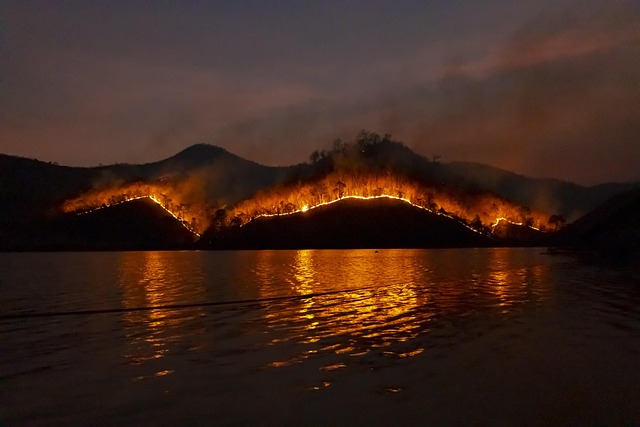
Assessing Emergency Damage in Denver Homes requires a systematic approach tailored to the unique challenges presented by Colorado’s unpredictable weather patterns. In the event of a disaster, such as flooding, homeowners in Denver often face daunting tasks, making efficient emergency disaster restoration Denver services paramount. The initial step is to ensure safety and secure the premises. Once stability is established, thorough damage assessment becomes imperative. This process involves meticulous inspection of structural integrity, identifying water intrusion points, and evaluating potential mold growth—all critical factors for effective denver flood damage repair.
Professional emergency restoration services in Denver CO employ state-of-the-art equipment and advanced techniques to mitigate losses accurately. Experts examine walls, ceilings, and foundations for visible signs of distress, employing moisture meters to pinpoint water sources hidden behind drywall or under flooring. Data from the National Weather Service reveals that severe storms and flash floods are increasing in frequency, emphasizing the need for swift action in water damage restoration Denver homes. Prompt assessment allows for effective containment, preventing secondary damages like mold development, which can significantly impact indoor air quality and structural integrity over time.
Beyond structural analysis, emergency restoration specialists consider the scope of personal belongings affected by denver emergency restoration services. They catalog and assess items that may require restoration or disposal, ensuring appropriate documentation for insurance claims. This meticulous process is crucial for successful reimbursement and peaceful minds during recovery. Effective emergency disaster restoration Denver involves a balanced approach—a harmonious blend of technical expertise and empathy for homeowners’ distress, ensuring properties return to pre-disaster conditions promptly and securely.
Water Extraction: Key Steps for Disaster Restoration

Water extraction is a critical step in disaster restoration, especially after floods or leaks. In Emergency Disaster Restoration Denver, specialized water damage restoration services are in high demand due to unpredictable weather patterns and rapid urban growth. The process involves more than just drying out affected areas; it requires a systematic approach to minimize secondary damage and ensure property safety.
The first step is assessment: experts inspect the damage, pinpointing moisture sources and affected materials. This includes checking for hidden water intrusion behind walls or under floors. Once identified, specialized equipment is deployed to extract water efficiently. These tools range from high-efficiency pumps to advanced dehumidifiers that remove moisture at its source. It’s crucial to note that speed is of the essence; quick action within 24–48 hours can prevent mold growth and structural damage.
After extraction, specialized disaster recovery services begin drying processes. This involves strategic placement of fans and dehumidifiers, ensuring air circulation throughout the affected areas. The goal is to reduce humidity levels below 60% to inhibit mold growth. Regular monitoring with moisture meters helps gauge progress. In severe cases, professional services may employ thermal imaging cameras to detect hidden moisture that traditional methods might miss. This meticulous approach ensures comprehensive water extraction and minimizes the need for costly repeat work, highlighting the importance of engaging expert disaster restoration services in Denver.
Dry Out and Dehumidity: Essential Processes in Denver

In the event of a disaster, whether it’s a severe storm, flood, or fire, proper drying and dehumidification are critical steps in Emergency Disaster Restoration Denver. These processes form the backbone of effective commercial disaster recovery solutions, ensuring structures and contents are restored to their pre-disaster condition. The primary goal is to mitigate mold growth, preserve valuable possessions, and create an environment conducive to healing for both people and property.
The first step in this process involves assessing the damage. Emergency restoration specialists Denver will inspect the affected area to determine moisture levels, assess structural integrity, and identify potential hazards. This includes checking for water intrusion points, assessing ventilation systems, and evaluating the overall scope of damage. Once the assessment is complete, experts from a disaster remediation company Colorado can devise a tailored plan, employing advanced equipment like dehumidifiers, air movers, and drying systems to remove moisture efficiently.
For instance, in a recent major flood event, a top-rated disaster recovery company in Colorado successfully restored a commercial property by implementing a comprehensive dry-out and dehumidification strategy. They used specialized equipment to extract standing water and rapidly reduce humidity levels, preventing extensive mold growth and structural damage. This swift action not only saved the building but also minimized business disruption, highlighting the importance of professional intervention in Emergency Disaster Restoration Denver. Regular monitoring during and after drying ensures optimal results, preventing future issues like dry rot or weakened structures.
Mold Remediation: Safety Measures and Techniques
Mold remediation is a critical component of emergency disaster restoration, especially after fire damage in Denver or water damage from floods in Denver County. Given the potential health risks associated with mold growth, proper safety measures and effective techniques are paramount for professionals in the Denver fire damage restoration and water damage restoration industries. In commercial flood cleanup scenarios, where large areas may be affected, a systematic approach is essential to ensure thorough decontamination and prevent further damage.
Safety first should always guide the process. Personal protective equipment (PPE), including specialized suits, respirators, and gloves, protects remediation workers from direct contact with moldy materials and airborne spores. This step is crucial in mitigating health risks, particularly for individuals with respiratory sensitivities or compromised immune systems. In addition to PPE, proper ventilation is critical to control indoor air quality during the remediation process, especially in confined spaces.
Techniques for mold remediation involve a multi-step approach. Initial assessment involves identifying the extent of mold growth and determining the source of moisture that fueled its development. This information guides the selection of appropriate decontamination methods, which can range from localized cleaning with disinfectants to more extensive procedures like hepa vacuuming and air scrubbing to remove surface spores and airborne contaminants. For water damage restoration in Denver, drying techniques using advanced equipment are employed to prevent mold growth by reducing moisture levels in affected areas promptly. In commercial settings, this might involve closing off affected sections temporarily while implementing a controlled environment to expedite drying and ensure thorough cleanup.
Regular monitoring throughout the remediation process is vital to confirm that all sources of moisture have been addressed effectively. Post-remediation inspections ensure that mold has been eliminated successfully, providing peace of mind for business owners, tenants, and residents in Denver affected by fire or water damage. By adhering to safety protocols and employing proven remediation techniques, Emergency Disaster Restoration Denver professionals can restore commercial properties and residences with efficiency and effectiveness while prioritizing the well-being of all involved parties.
Structural Repair and Reconstruction in Disaster-Hit Areas

In the aftermath of a disaster, structural repair and reconstruction form a critical phase of Emergency Disaster Restoration Denver. This process demands meticulous attention from experienced professionals who can navigate the challenges posed by damaged infrastructure. The primary goal is to ensure safety, prevent further deterioration, and restore the affected areas to their pre-disaster condition. For instance, after severe floods in Denver, the city faced the monumental task of repairing extensive water damage and preventing mold growth, highlighting the importance of swift and expert intervention.
The journey begins with a thorough assessment by disaster restoration experts in Colorado, including structural engineers and technicians specialized in denver flood damage repair. They meticulously inspect buildings, identifying vulnerabilities, and assessing the extent of damage. This involves analyzing foundations, walls, roofs, and structural elements for signs of compromise. Using advanced equipment, they capture detailed images and data to inform the reconstruction plan. For example, a Denver-based disaster restoration expert might employ moisture meters to pinpoint water intrusion areas, ensuring every inch of affected space is accounted for during the repair process.
Once the assessment is complete, a comprehensive restoration plan is devised. This includes structural repairs, such as reinforcing weakened beams or replacing damaged walls and floors. In cases of severe flooding, experts emphasize the critical need for mold removal in Denver, using specialized equipment to mitigate health risks associated with mold growth. The reconstruction phase involves careful rebuilding, ensuring adherence to safety codes and structural integrity. For instance, rebuilding a flood-damaged basement may require advanced waterproofing techniques and elevated flooring to protect against future water intrusion. Throughout this process, regular inspections by licensed professionals ensure compliance with local building standards and the highest quality of restoration.
Rebuilding Lives: Community Support in Emergency Restoration

In the aftermath of a disaster, communities often find themselves facing immense challenges. Rebuilding lives after an emergency requires more than just repairing physical structures; it involves healing and supporting individuals and families affected by events like fires or mold infestations. Emergency Disaster Restoration Denver stands as a testament to the resilience and unity that emerges when expert disaster restoration services come together with community support.
Fire Damage Restoration Denver is not merely about cleaning charred remains; it’s about restoring safety, comfort, and normalcy. Local organizations collaborate with expert fire damage restoration companies to provide immediate assistance, ensuring that displaced residents have access to temporary housing and essential supplies. For instance, in recent years, Denver’s community response to large-scale wildfires has been characterized by a swift mobilization of volunteers, who assist in packaging food, clothing, and medical supplies, while professional teams focus on securing affected properties and initiating restoration processes.
Moreover, Denver mold removal services play a critical role in disaster restoration. Mold thrives in damp environments often left behind by floods or severe weather, posing health risks to those affected. Professional remediation involves not just the removal of visible mold but also decontaminating affected areas and implementing measures to prevent future growth. Organizations like the American Red Cross collaborate with specialized mold removal services to ensure that residents receive the necessary support, promoting a healthier recovery environment.
Community-driven disaster restoration efforts in Denver are a testament to the power of collaboration. By combining expert disaster restoration services with grassroots initiatives, individuals can accelerate the healing process for their communities. This holistic approach ensures that not only homes and buildings are restored but also the hope and resilience of those affected by emergencies.
In reviewing the comprehensive guide to Emergency Disaster Restoration Denver, key insights emerge for effective navigation through crisis. Assessing emergency damage is paramount, followed by meticulous water extraction processes to mitigate risks. Dry out and dehumidification are essential to prevent mold growth, a significant health hazard. Safe mold remediation techniques ensure a healthy environment. Structural repair and reconstruction require skilled professionals to restore homes and communities. Finally, community support plays a vital role in rebuilding lives post-disaster. By understanding and implementing these steps, Denver residents can navigate emergency disaster restoration with confidence, ensuring their safety and well-being.