

Emergency Disaster Restoration Denver is a vital service addressing swift initial responses to minimize damage and ensure safety in unforeseen disasters. Key aspects include 24/7 availability, advanced equipment, comprehensive services (water extraction, structural repairs, mold remediation), expert training, customer-focused approach, and adaptation to Denver's unique disaster landscape, including floods and wildfires.
Practical takeaways: Homeowners and businesses should have emergency plans and contact reliable Emergency Disaster Restoration Denver companies for swift, effective response. Collaboration among residents, authorities, and services enhances community resilience through regular training, meetings, robust plans, and preparing critical facilities.
In the face of increasing natural disasters, efficient emergency disaster restoration Denver services have become a critical component in mitigating damage and supporting communities’ swift recovery. As climate change intensifies weather events, cities like Denver are more vulnerable to floods, wildfires, and severe storms. These emergencies often leave behind extensive property damage, requiring specialized knowledge and rapid response from restoration professionals. This article delves into the intricacies of emergent disaster cleanup, highlighting the challenges faced by Denver residents and the essential role Emergency Disaster Restoration Denver experts play in restoring homes, businesses, and communities to their pre-disaster condition.
- Emergency Disaster Restoration Denver: Initial Response Strategies
- Assessment and Planning for Effective Cleanup in Denver
- Specialized Equipment and Techniques for Damage Mitigation
- Community Resilience Post-Disaster: Denver's Long-Term Recovery
Emergency Disaster Restoration Denver: Initial Response Strategies

Emergency Disaster Restoration Denver requires a swift and strategic initial response to mitigate damage and ensure safety. When disaster strikes, whether it’s a fire, flood, or other critical event, every second counts. The first 24-48 hours are crucial for preventing secondary damages and preserving structural integrity. In the case of Fire Damage Cleanup Denver, for instance, immediate action involves containing the blaze, extinguishing it swiftly, and then beginning the assessment process. This includes identifying hot zones, cold zones, and any potential hazards like smoke damage or water intrusion.
Disaster Cleanup and Restoration professionals in Denver employ specialized equipment and techniques to safely decontaminate areas affected by biohazardous materials. As seen during recent events, such as severe storms or pandemics, Biohazard Cleanup Denver services are essential for addressing not just physical destruction but also health risks. Proper personal protective equipment (PPE) and training ensure technicians can handle hazardous substances like mold, bacteria, and chemical residues without compromising their own well-being or spreading contamination further.
Effective Emergency Disaster Restoration Denver strategies involve a multi-step process. Initial assessment leads to planning, which dictates the sequence of cleanup and restoration activities. For example, after a fire, water extraction and drying are priority one to prevent mold growth; then comes structural repairs, followed by deodorization and rebuilding. Each stage requires specific tools and expertise. Professional teams work diligently to document damage, secure the scene, and implement customized solutions tailored to the unique challenges of each disaster scenario, ensuring Denver residents and businesses can recover efficiently and safely.
Assessment and Planning for Effective Cleanup in Denver

Specialized Equipment and Techniques for Damage Mitigation
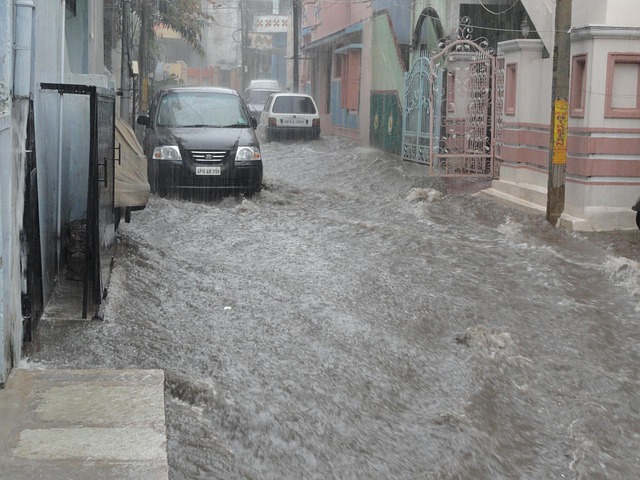
Emergent disaster cleanup and restoration in Denver demands specialized equipment and techniques tailored to mitigate damage efficiently. In a city prone to both natural and man-made disasters, Emergency Disaster Restoration Denver has evolved to meet these challenges with advanced solutions. Commercial disaster recovery solutions, for instance, encompass a range of services from water extraction and structural drying to content cleaning and decontamination, ensuring businesses can reopen swiftly. Denver mold removal services are another critical aspect, as mold growth can commence within 24-48 hours of water intrusion, posing significant health risks.
Emergency restoration specialists in Denver employ cutting-edge technology such as air movers, dehumidifiers, and vapor barriers to control moisture levels and prevent mold proliferation. For example, during the 2020 flood events, these tools played a pivotal role in extracting water from flooded buildings and drying them out promptly, minimizing structural damage and mitigating health hazards for residents. Moreover, Denver’s diverse climate necessitates versatile equipment capable of handling both freezing temperatures and intense wildfires, further emphasizing the importance of specialized disaster cleanup and restoration expertise.
Effective damage mitigation requires not just advanced equipment but also a deep understanding of building materials, construction methods, and local environmental factors. Denver mold removal services, for instance, must consider the unique challenges posed by the region’s dry winters followed by wet summers, which create ideal conditions for mold growth in hidden spaces like walls, attics, and crawl spaces. By combining these specialized techniques with a data-driven approach that includes moisture readings, air quality testing, and visual inspections, Emergency Disaster Restoration Denver ensures comprehensive damage assessment and restoration, offering peace of mind to property owners and businesses alike.
Community Resilience Post-Disaster: Denver's Long-Term Recovery
Denver, a city renowned for its majestic mountains and vibrant culture, has also proven its resilience in the face of various natural disasters. As the region continues to experience an increase in extreme weather events, the need for comprehensive emergency disaster restoration services in Denver has become more critical than ever. This urban area’s ability to recover and rebuild after devastating floods, wildfires, and other crises highlights a crucial aspect: community resilience post-disaster.
The long-term recovery process involves not only repairing physical infrastructure but also fostering a resilient and adaptable community. Emergency disaster restoration companies in Denver play a pivotal role here, offering specialized services such as water damage restoration Denver Co and fire damage cleanup Denver. These professionals are equipped to handle the intricate challenges of each unique event, from assessing extensive water damage caused by sudden floods to containing and remediating the aftermath of wildfires. For instance, following the historic 2021 Colorado floods, numerous Denver-based restoration companies sprang into action, assisting homeowners and businesses in drying out structures, removing contaminated materials, and restoring their properties to pre-disaster conditions.
Building community resilience requires collaboration between residents, local authorities, and emergency services. Regular training sessions, community meetings, and the development of robust emergency response plans are essential steps. Additionally, ensuring that critical facilities like hospitals, schools, and shelters are prepared enhances overall preparedness. By investing in these measures, Denver can minimize the impact of future disasters, reduce recovery times, and showcase its unwavering spirit as a resilient metropolis.
Emergent disaster cleanup and restoration in Denver require a multifaceted approach, as highlighted by this comprehensive article. Key takeaways include the importance of swift initial response strategies, detailed assessment and planning for effective cleanup, utilization of specialized equipment and techniques for damage mitigation, and fostering community resilience for long-term recovery. Emergency Disaster Restoration Denver professionals play a pivotal role in navigating these challenges, ensuring not just property restoration but also the emotional well-being of affected communities. Going forward, adopting these strategies and investing in resilient infrastructure will better equip Denver to handle future disasters, underscoring the city’s commitment to safeguarding its residents and vibrant tapestry.