
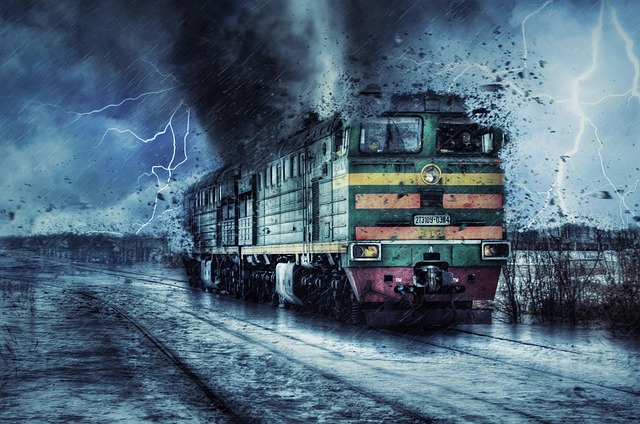
Denver faces diverse disasters from wildfires to floods, requiring specialized Emergency Disaster Restoration Denver services. Swift action is key: prioritize safety, stop ongoing damage, and contact experts immediately. These professionals assess, extract, dry, decontaminate, prevent mold, and restore properties quickly. After fires, focus on containment, odor mitigation, biohazard cleanup, and material replacement. Preventative measures like improved ventilation and insulation reduce future mold growth risks. Post-disaster rebuilding emphasizes community resilience with custom plans and modern infrastructure.
In the face of natural disasters, Denver residents often require swift and expert emergency disaster restoration. This comprehensive guide offers invaluable insights from industry leaders, providing essential tips for navigating challenging situations. From immediate action in the first 24 hours to long-term rebuilding strategies, we explore each critical phase. Learn effective water damage assessment, fire recovery techniques, mold prevention, and more. Discover how Denver’s resilience can be enhanced through these proven practices, ensuring a successful comeback after disasters.
- Understanding Denver's Disaster Restoration Needs
- Quick Action: The First 24 Hours After a Disaster
- Water Damage: Assessment and Mitigation Strategies
- Fire Recovery: Restoring Your Property Safely
- Mold Prevention and Remediation Techniques
- Rebuilding: Long-Term Tips for a Successful Comeback
Understanding Denver's Disaster Restoration Needs
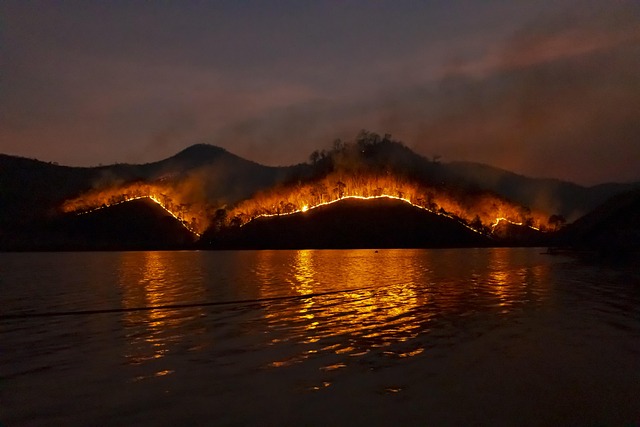
Denver, with its unique climate and diverse geographical features, presents specific challenges when it comes to disaster restoration. Whether it’s sudden snowstorms, intense wildfires, or flooding from heavy rains, the city requires tailored emergency disaster restoration services. Restoration companies in Denver play a crucial role in helping residents and businesses recover swiftly. They are well-equipped to handle various disasters, including fire and water damage restoration, which are among the most common emergencies.
Understanding the local climate’s impact on structures is essential for effective restoration. For instance, after a wildfire, not only does the company address smoke and soot damage but also deals with ash removal and structural stability assessments. Similarly, in cases of floodwater intrusion, Restoration Services Denver experts must consider potential mold growth and biohazard cleanup to ensure a safe environment. These specialized services are vital for a city like Denver, where rapid climate shifts can lead to multiple types of disasters within short periods.
Quick Action: The First 24 Hours After a Disaster

In the critical initial 24 hours following a disaster, swift action can significantly mitigate damage and facilitate smoother recovery for homeowners and businesses in Denver. The first step is to ensure everyone’s safety and call emergency services if needed. Once that’s secured, the next crucial task is to stop any ongoing damage, such as turning off utilities or evacuating to prevent further harm. For instance, in cases of flooding, quick action involves immediately boarding up windows and doors to prevent water intrusion and beginning extraction processes to remove standing water promptly.
Prompt engagement with reputable Emergency Disaster Restoration Denver co services during these initial hours can provide invaluable support. These professionals not only have the necessary equipment for restoration after floods Denver or other disasters but also the expertise to assess damage swiftly. Restoration Services Denver teams understand that quick response equals cost-effective and efficient recovery, ensuring properties are restored to their pre-disaster condition as smoothly as possible.
Water Damage: Assessment and Mitigation Strategies

When it comes to water damage, swift action is crucial for minimizing restoration challenges in Denver homes and businesses. The first step for any property owner or manager should be to contact emergency disaster restoration experts like those offered by Denver water damage restoration companies. These professionals are equipped with the knowledge and tools to assess the situation and implement effective mitigation strategies.
A thorough assessment involves identifying the source of water intrusion, evaluating the extent of damage, and determining the type of water involved (e.g., clean, grey, or black). Once this is established, denver emergency restoration specialists can deploy specialized equipment for extraction, drying, and decontamination. They understand the importance of quick response times to prevent mold growth and structural damage, ensuring a faster return to normalcy for their clients.
Fire Recovery: Restoring Your Property Safely

When a fire strikes, the immediate focus is on safety and containment. However, the process of restoring your property to its pre-fire condition is a critical step in returning to normalcy. A reputable Emergency Disaster Restoration Denver service provider can offer invaluable guidance and expertise in this challenging time. They will assess the extent of the damage, ensuring that all hazardous materials are safely removed, including any remaining smoke and soot.
The team will employ specialized equipment for fire recovery, such as advanced heating and ventilation systems to mitigate odors and humidity. For cases involving water damage from firefighting efforts or sewage backup during evacuation, a Denver water damage restoration company or Sewage Cleanup Denver service is essential. These professionals have the tools and training to handle biohazardous materials, ensuring a safe and thorough cleanup, and preventing further damage or health risks.
Mold Prevention and Remediation Techniques

Preventing mold growth is a critical aspect of any emergency disaster restoration in Denver CO. Since mold thrives in moist environments, it’s essential to address water intrusion issues promptly. Denver emergency restoration contractors recommend implementing measures like improving ventilation, using dehumidifiers, and ensuring proper insulation to reduce humidity levels. Regular inspection and maintenance of plumbing systems can also help detect potential leaks early on.
When mold does appear, effective remediation techniques are crucial. Industry experts suggest a multi-step process including containment, removal, and decontamination. This involves wearing protective gear, using specialized cleaning solutions, and thoroughly drying affected areas. For severe cases, it may be necessary to remove and replace materials like drywall or insulation. Home disaster recovery solutions emphasize the importance of seeking professional assistance for mold remediation to ensure a safe and healthy environment after an emergency.
Rebuilding: Long-Term Tips for a Successful Comeback

Rebuilding from the ground up is a significant step in the recovery process following an emergency disaster. Denver emergency restoration services emphasize that it’s not just about restoring physical structures but also about fostering community resilience and ensuring a successful comeback. When navigating the path to rebuilding, consider these long-term tips for a robust recovery:
First, create a comprehensive plan tailored to your specific needs and the unique characteristics of your Denver neighborhood. Collaborate with local authorities and emergency management teams to understand potential risks and develop strategies for mitigating them. Regularly review and update this plan as your community evolves. Additionally, investing in robust infrastructure and implementing modern building codes can significantly enhance a structure’s resilience to future disasters. Remember that restoring after disasters in Denver requires a holistic approach, focusing not only on repairing homes but also on rebuilding communities and fostering a sense of preparedness for the future.
When faced with a disaster, quick action and expert guidance are paramount. The tips outlined in this article, curated from industry experts in Denver’s emergency disaster restoration field, offer invaluable insights for navigating challenging situations. From immediate response strategies during the critical first 24 hours to long-term rebuilding techniques, these recommendations ensure a more seamless recovery process. By understanding the unique needs of Denver’s climate and environment, property owners can better prepare and restore their spaces with confidence. Remember, when it comes to emergency disaster restoration in Denver, acting swiftly and relying on professionals makes all the difference.