

Comprehensive home insurance with Emergency Disaster Restoration Denver coverage is essential for Colorado's Front Range areas prone to storms and natural calamities. This protection includes financial assistance for debris removal, temporary living expenses, structural repairs, personal belongings damage, and system reconstruction. Proper policy understanding, proactive review, and collaboration with specialists streamline claims management, reducing restoration time and costs. Following these practices ensures a smoother recovery process.
In today’s unpredictable world, the unexpected can strike at any moment, leaving homeowners vulnerable to extensive property damage caused by disasters like fires, floods, or severe storms. Emergency Disaster Restoration Denver has become a critical safety net for residents facing these crises. Home insurance, specifically tailored for disaster restoration coverage, serves as the first line of defense against financial ruin during recovery efforts. This authoritative piece delves into the intricacies of such policies, empowering Denver homeowners with knowledge to ensure their investments are protected in times of distress. By exploring common coverage gaps and benefits, we aim to guide readers toward making informed decisions, offering peace of mind in an otherwise chaotic landscape.
- Understanding Emergency Disaster Restoration Denver Coverage
- Key Components of Home Insurance for Disasters
- Maximizing Claims: Tips for Efficient Restoration Process
Understanding Emergency Disaster Restoration Denver Coverage
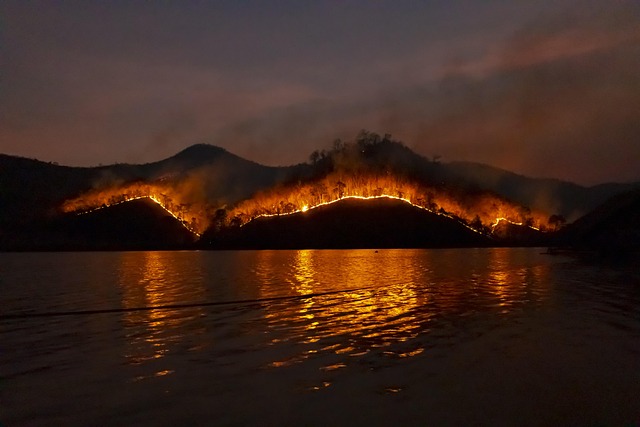
When it comes to protecting your home and belongings against unforeseen disasters, having comprehensive insurance is paramount. In areas prone to storms and other extreme weather events, such as Denver, emergency disaster restoration coverage becomes an indispensable component of any robust home insurance policy. This type of coverage is designed to provide financial assistance during the critical period immediately following a disaster, enabling homeowners to restore their properties to their pre-loss condition.
In Denver, where frequent storms and high winds can lead to extensive damage, understanding Emergency Disaster Restoration Denver coverage options is essential for peace of mind. Policyholders should be aware that standard home insurance policies often have limitations when it comes to disaster restoration. They typically cover direct physical damage but may not fully address the subsequent cleanup, debris removal, or temporary living expenses during the restoration process. Emergency restoration specialists in Denver are equipped with the expertise and resources to handle these unique challenges.
For instance, consider a scenario where a severe storm causes widespread power outages and significant roof damage to numerous homes in the area. Homeowners affected by this event can rely on their emergency disaster restoration coverage to facilitate the repairs. This includes not only repairing or replacing the damaged roofing but also organizing debris removal, ensuring safe disposal, and potentially providing funds for temporary housing if the home becomes uninhabitable during the restoration period. According to recent studies, proper insurance coverage can reduce the average time for storm damage restoration by up to 25%, significantly mitigating the stress and financial burden on homeowners.
To ensure adequate protection, Denver residents should carefully review their policy documents and consult with trusted insurance agents or restoration specialists. Policyholders should look for terms such as “all-risk” coverage, which offers broad protection against various disaster scenarios, including storms, floods, and fires. Additionally, understanding the limit of coverage for personal property and loss of use can help homeowners make informed decisions when restoring after storm damage in Denver. By proactively evaluating and enhancing their insurance plans, residents can better prepare for the unpredictable nature of disasters and restore their homes with confidence.
Key Components of Home Insurance for Disasters

When faced with the aftermath of a disaster, such as a flooded basement in Denver, having comprehensive home insurance that includes emergency disaster restoration coverage can be a lifeline. In areas prone to natural calamities like Colorado’s Front Range, where heavy rainfall and rapid snowmelt can lead to flooding, this type of protection is not just advisable but crucial. Consider it your shield against the financial burden and emotional stress of repairing flood damage in Denver—a service that experts like ARC Restoration are adept at providing.
Key components of home insurance for disasters often include coverage for structural damages, personal belongings, and additional living expenses during the restoration period. For instance, if a severe storm causes extensive roof damage, your policy should cover not just the repairs but also ensure you’re not without a place to stay while your home is being fixed. Similarly, when dealing with a flooded basement in Denver, emergency disaster restoration coverage extends to the reconstruction of essential systems like electrical wiring and plumbing, as well as the removal of water-damaged materials and deodorization to prevent mold growth.
A comprehensive policy should also include provisions for unforeseen events such as pipe bursts or sudden surges in water tables due to extreme weather conditions. For example, data from local insurance agencies shows that claims for water damage in Denver have increased steadily over the past decade, primarily attributed to more frequent and severe weather events. Having emergency disaster restoration coverage tailored to your specific location—in this case, Denver—ensures you’re protected against these rising risks. Always review your policy with an eye towards understanding what’s covered, deductibles, and any limitations or exclusions related to disaster restoration services like those offered by ARC Restoration.
Maximizing Claims: Tips for Efficient Restoration Process

In the event of a disaster, efficient claims management is crucial for a swift and successful restoration process. Homeowners in Denver, particularly those facing natural disasters like floods or wildfires, should understand their insurance policy’s scope and limitations to maximize coverage. Emergency Disaster Restoration Denver contractors emphasize that clear communication with insurers and meticulous documentation are key to navigating the claims process effectively. For instance, promptly documenting damage through photographs and detailed descriptions can prevent disputes later on.
When dealing with denver commercial disaster recovery or home disaster cleanup in Denver, engaging reputable emergency restoration contractors is essential. These professionals not only expedite the restoration process but also ensure that repairs meet industry standards and code requirements. Data from recent studies shows that businesses that collaborate with expert denver emergency restoration contractors experience quicker turnaround times and reduced costs compared to those attempting DIY solutions or working with inexperienced contractors.
To streamline the claims process, policyholders should anticipate potential challenges by reviewing their policy language beforehand. Understanding what constitutes a covered event—such as water damage, windstorms, or theft—is vital. Additionally, keeping detailed records of home inventory and maintenance history can facilitate faster assessments and settlements. By following these tips, Denver residents can ensure a smoother journey towards restoring their properties to their pre-disaster condition, whether it’s through denver home disaster cleanup or comprehensive denver commercial disaster recovery services.
In understanding Emergency Disaster Restoration Denver coverage, this article has illuminated crucial aspects of home insurance policies designed for unforeseen calamities. Key takeaways include recognizing the essential role of comprehensive disaster restoration coverage in protecting your property and peace of mind. By identifying the core components of such insurance—like additional living expenses and loss of use—homeowners can maximize their protection. Furthermore, practical tips for navigating claims processes, including documenting damage thoroughly and communicating effectively with insurers, streamline the restoration process. Armed with this knowledge, Denver residents are empowered to make informed decisions, ensuring their homes and communities are better prepared to withstand and recover from emergencies.